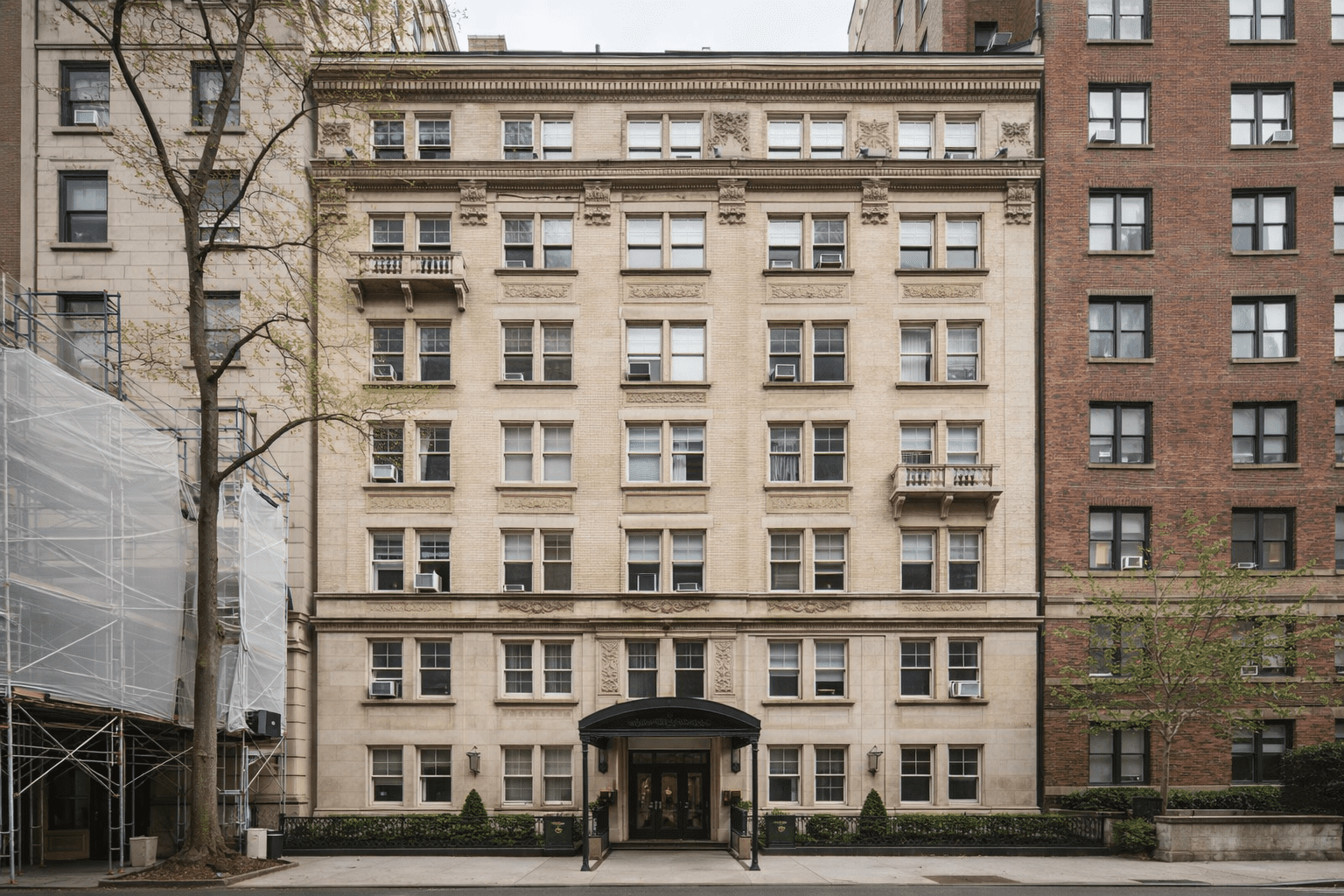
What Renovation Work Can a Co-op Board Actually Stop in NYC? (What Owners Often Get Wrong)
If you’re renovating a co-op apartment in New York, here’s the reality most people don’t hear upfront:
Your renovation can be perfectly legal — and still be stopped by the co-op board.
In practice, a co-op board can stop or delay work even when it complies with building code — but only within the limits of its governing documents and building risk. Understanding where that authority begins and ends is the difference between a smooth approval and months of delays.
This guide explains, clearly and honestly, what NYC co-op boards can control, what they can’t, and where owners unintentionally give up more leverage than necessary.
Why co-op boards have authority over renovations in NYC
In a co-op, you don’t own your apartment the way you would in a condo or townhouse. You own shares in a corporation and the right to occupy a unit under a proprietary lease.
That structure gives the board a legal obligation to protect:
- Shared plumbing and electrical systems
- Structural integrity
- The building’s insurance exposure
- Other shareholders
Renovations are one of the highest-risk moments for all of the above. That’s why boards scrutinize them — especially in prewar co-op buildings common on the Upper East Side, Upper West Side, Park Slope, and Brooklyn Heights, where infrastructure is older and risk tolerance is lower.
Who actually controls renovation approvals in NYC (board vs DOB)
This is where most confusion starts.
These roles are not interchangeable:
- The co-op board decides whether your renovation is approved and under what conditions
- The managing agent enforces process, paperwork, and timing
- The board’s architect or engineer reviews drawings for building risk
- The NYC Department of Buildings enforces building code, permits, and legal inspections
Passing one does not override the others.
DOB approval does not force a board to approve work.
Board approval does not eliminate DOB requirements.
For reference, the DOB’s own guidance on when permits are required is here:
👉 https://www.nyc.gov/site/buildings/property-or-business-owner/do-i-need-a-permit.page
Why this is often misunderstood
NYC renovation advice online tends to blur co-op rules, DOB requirements, and contractor preferences into one messy explanation.
In reality, these are separate systems — and misunderstanding them is one of the most common causes of stalled or rejected renovations in co-op buildings.
Quick reference: what usually triggers review
| If you’re changing… | Expect board review | Expect DOB involvement |
|---|---|---|
| Cabinets, finishes | Sometimes | No |
| Plumbing fixtures | Yes | Often |
| Walls or layout | Yes | Sometimes |
| Electrical panels | Yes | Often |
| Full gut renovation | Always | Almost always |
This varies by building, but if your scope touches shared systems, expect scrutiny.
Renovation work co-op boards can commonly stop or restrict
Plumbing and wet areas
This is the biggest trigger in NYC co-ops.
- Moving fixtures, even slightly
- Converting tubs to showers
- Adding washer/dryers
- Tying into shared risers
Water damage claims are expensive and disruptive. Boards know this — especially in older buildings in neighborhoods like the West Village or Tribeca.
Electrical work
- Panel upgrades
- New circuits
- Work affecting building systems
Even when a DOB permit isn’t required, boards often still require approval.
Walls and layout changes
- Removing walls (structural or non-structural)
- Combining rooms
- Altering circulation or egress
If the board can’t clearly understand what’s changing, approvals stall.
Full gut renovations
Boards rarely love them.
They may:
- Limit scope
- Require phased work
- Impose additional inspections
From the board’s perspective, a gut renovation is maximum exposure.
Can a NYC co-op board require drawings and progress inspections?
Yes — and this surprises many owners.
Boards can require these as conditions of approval, usually written into the alteration agreement you sign before work begins.
Drawing and plan review
Boards often ask for:
- Architectural drawings (even when DOB drawings aren’t strictly required)
- Engineer sign-off
- Review by the board’s consultant
This isn’t code enforcement. It’s contractual risk management.
Progress inspections
Very common, especially for plumbing or wet work.
Typical checkpoints include:
- A pre-construction walkthrough
- Mid-project inspections (often before walls are closed)
- A final inspection before sign-off
These are building-protection inspections, not DOB inspections. Passing one does not guarantee passing the other.
Contractor vetting
Boards may require:
- Insurance limits higher than DOB minimums
- Specific endorsements naming the co-op
- Proof of prior co-op experience
This is standard across many Manhattan and Brooklyn co-ops, even if it feels excessive.
Deposits and protection requirements
Most alteration agreements include:
- Refundable alteration deposits
- Hallway and elevator protection
- Work hour restrictions
- Noise and sequencing rules
All normal. All enforceable if clearly written.
What co-op boards cannot do
Boards are powerful — but not unlimited.
They cannot:
- Override New York City Building Code
- Replace or perform DOB inspections
- Invent requirements unrelated to building risk
- Change approved scope mid-project without cause
When projects get stuck, it’s usually because:
- The scope was vague
- Drawings were incomplete
- The alteration agreement was overly broad
- Communication broke down early
Not because the board is automatically “being difficult.”
Where owners unintentionally make things worse
Common mistakes:
- Submitting partial scopes just to “get started”
- Letting contractors communicate directly with boards without alignment
- Agreeing to blanket restrictions they didn’t need
- Assuming DOB approval settles everything
Once those decisions are locked into an alteration agreement, they’re difficult — and expensive — to unwind.
The bottom line for NYC co-op renovations
Co-op boards don’t control renovations because they want to. They control them because NYC buildings are shared, complex, and high-risk.
The key isn’t fighting the board.
It’s understanding where their authority comes from, what’s negotiable, and how to submit a clear, defensible scope that doesn’t invite unnecessary restrictions.
When that’s done right, approvals move faster — and projects stay sane.
Unsure if your board can actually block your renovation?
Before you submit plans or sign an alteration agreement, it helps to have a second set of experienced eyes.
We review scopes, drawings, and board requirements from an owner’s perspective to flag issues before they turn into delays, rejections, or costly revisions — especially in NYC co-ops.
Yes. A NYC co-op board can stop or delay a renovation even if the work complies with building code. Board approval is contractual, based on the proprietary lease, house rules, and alteration agreement—not solely on DOB legality.
No. Approval from the NYC Department of Buildings confirms code compliance, but it does not force a co-op board to approve the work. Owners typically need both DOB approval and board consent.
Co-op boards most often restrict plumbing and wet-area changes, electrical upgrades, wall removals, layout changes, and full gut renovations—especially when shared building systems are involved.
Yes. Many NYC co-op boards require architectural drawings, engineer review, and progress inspections as conditions of approval. These are building-risk inspections, not DOB inspections.
Sometimes. While cosmetic work may not require a DOB permit, many co-op boards still require written approval, especially if work affects noise, work hours, deliveries, or building protection.
Renovating without board approval can result in stop-work orders, fines, loss of alteration deposits, or demands to restore the apartment to its original condition—even if the work is otherwise legal.
No. Co-op renovation rules vary by building, managing agent, and board. Prewar buildings and older infrastructure often come with stricter requirements and review processes.